



The Forgotten Core Muscle: Your Pelvic Floor
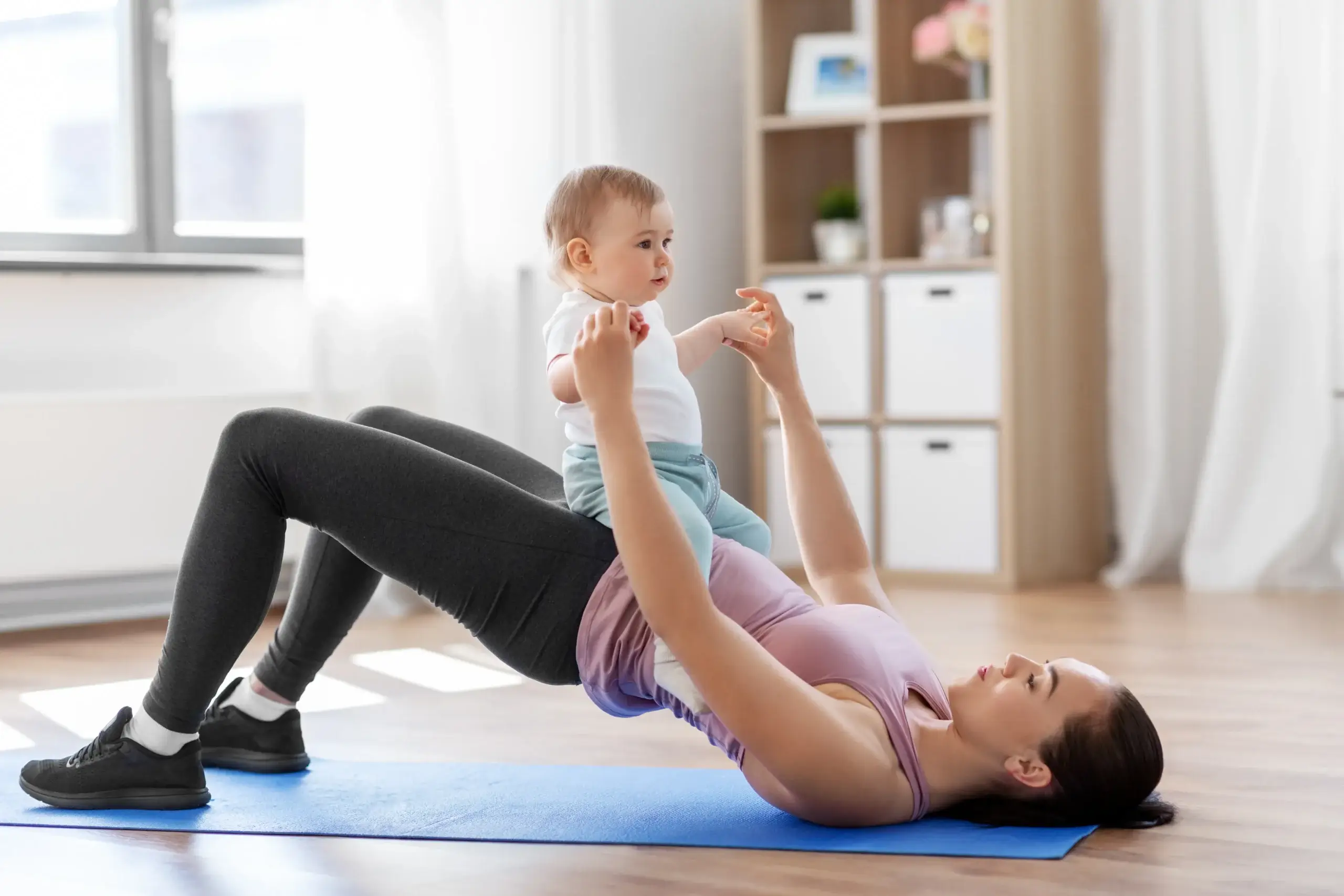
You’re in the middle of a Pilates class, and your instructor keeps telling you to engage your “deep core.” You try sucking everything in, but it doesn’t seem to help. Then she mentions the “pelvic floor,” and you’re completely lost.
If this sounds familiar, don’t worry: you’re definitely not alone! While we often hear about the importance of strengthening the core, many people don’t fully understand what the core is, including which muscles make it up. The pelvic floor is one of them, but because it’s an internal muscle (meaning you can’t see it), it often goes unacknowledged.
Unfortunately, ignoring your pelvic floor can be to your detriment, especially if you’re a woman. Pelvic floor dysfunction–which occurs when the pelvic floor muscles become weak or restricted–can cause a wide range of symptoms, from incontinence to back pain.
The good news is that you can strengthen your pelvic floor muscles just as you can your abs, obliques, and back muscles–and you’ll reap big benefits for your benefits. Not sure how to get started? The Rebound team is here to help.
Olathe Clinic Grand Opening Ribbon Cutting March 6th at 11:00 am
Come see us at our brand new location!

Understanding Your Core Muscles
To help you better understand the pelvic floor, we want to first explore your core. This term gets tossed around quite a bit, but many people conflate the core with the rectus abdominis, or “six-pack” muscles. But your core is actually so much more than that!
It refers to a group of muscles that form the truck of your body. You can think of the core as a box:
- The abdominal muscles, back muscles, and glutes make up the front and back of the box.
- Your obliques make up the sides.
- Your diaphragm muscle makes up the top.
- Your pelvic floor makes up the bottom.
Your spine runs through the center of this “box” of muscles, and each one plays an important role in helping facilitate movement and maintaining balance.
The phrase “deep core” generally refers to the internal muscles in the core. These muscles aren’t visible, but they wrap around your spine, helping to support and stabilize it. The pelvic floor is one of these deep core muscles.
The Importance of the Pelvic Floor
So why is the pelvic floor the “forgotten” core muscle? Well, it’s rarely mentioned in discussions about core training, even though its role in your health and well-being is essential. Its primary purpose is to support the pelvic organs–your bladder, bowels, and (in women) sex organs–and ensure they function correctly. It also helps stabilize your lower spine.
When the pelvic floor is weak, tight, or uncoordinated, it can lead to issues such as the following:
Pelvic Pain
- Tight or overactive pelvic floor muscles can compress surrounding nerves or tissues, leading to pain or discomfort throughout the pelvic region. Sometimes, lower back pain actually stems from issues in the pelvic area, particularly for pregnant or postpartum women.
Incontinence
- Weak or poorly coordinated pelvic floor muscles can lead to issues such as stress incontinence (urine leaking when laughing or coughing) or urge incontinence (a sudden need to urinate).
Sexual Dysfunction
- Pain during intercourse, reduced sensation, or erectile difficulties can sometimes result from pelvic floor muscle imbalances. These muscles play a key role in sexual health by supporting the vaginal canal, penis, and surrounding structures.
Pelvic Organ Prolapse
- This condition occurs when weakened pelvic floor muscles fail to support pelvic organs, allowing them to descend into the vaginal or rectal area. Prolapse can cause discomfort, pressure, or a noticeable bulge.
Join Our Team
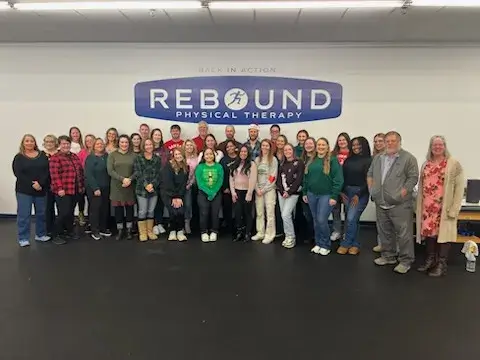
Founded in 1994 by Paul Silovsky, PT, Rebound is the leading PT clinic in the greater Topeka area with nearly 50 staff and thousands of happier, healthier patients. At Rebound, we don’t see people as “broken” with some unchangeable condition they have to cope with. We take a rebellious approach—we find out what’s stopping patients from doing what they want and figure out how to return them to the lifestyles they love. Here’s what matters to us:
- Doing what’s best for patients
- Maintaining work-life balance
- Clinical Autonomy
- Mentoring, training and paid CE
Improving Pelvic Floor Health With Physical Therapy
Because the pelvic floor is a muscle like any other, physical therapy is essential to managing pelvic floor dysfunction and helping you find relief from your symptoms. Strengthening your pelvic floor is possible, but it can also be difficult. For example, while Kegels are a highly recommended pelvic floor exercise, many people perform them incorrectly, meaning they don’t see any benefits. Our team can help you avoid those kinds of issues. Through personalized treatment programs and careful guidance, we can help you address any pelvic health concerns so you can stay active and healthy.
If you’d like to learn more about your pelvic floor and its role in women’s health, schedule an appointment with Rebound today!
Our Patients Get Results!
“Bladder control training has been life changing! First of all, I get so much more uninterrupted sleep. I no longer have to arrange my daily activities around bathroom availability. I have an aversion to public bathrooms and now I can avoid them almost entirely! Phone calls without interruptions are so much easier now too. I can’t thank my therapists at Rebound enough.” – M.M.
Are You Performing Kegels Correctly?
Kegels are one of the best-known exercises for targeting the pelvic floor muscles. When performed regularly, they can offer immense benefits, such as helping with incontinence and improving sexual health.
The basic movement sounds simple: contract and relax the muscles you use to stop the urine flow. Unfortunately, many people perform Kegels incorrectly, which means they miss out on those benefits.
Three Reasons You Might Be Performing Your Kegels Incorrectly
1. You target the wrong muscles.
Many people don’t correctly engage their pelvic floor muscles when attempting a Kegel. Instead of isolating these muscles, they activate surrounding areas like the glutes, thighs, or abdominal muscles, defeating the exercise’s purpose.
2. You’re holding your breath.
Proper Kegels involve coordinated breathing, where you exhale during the contraction and inhale during relaxation. Holding your breath can increase intra-abdominal pressure, which may strain the pelvic floor instead of strengthening it.
3. You’re putting in too much effort.
The movement in Kegels is a cycle of contracting and relaxation. Some people contract too strongly, which puts excessive tension in the muscles. Others skip the relaxation phase entirely. Both of these mistakes can lead to overly tight muscles.
We’re Here To Guide You
The best way to ensure you’re properly performing your Kegels is to work with one of Rebound’s physical therapists. We can provide personalized guidance to help you make the most of your Kegel session. Call us today to learn more!
FREE WORKSHOPS
Nip Your Hip Pain!
Led by Brooke Balestrieri, DPT on Wednesday, February 26th, 2025 @ 6:30 p.m.
The Forgotten Core Muscle -The Pelvic Floor!
Led by Christina Bausch, DPT & Jebel Odgers, PTA on Thursday, February 27th, 2025 @ 6:30 p.m.