

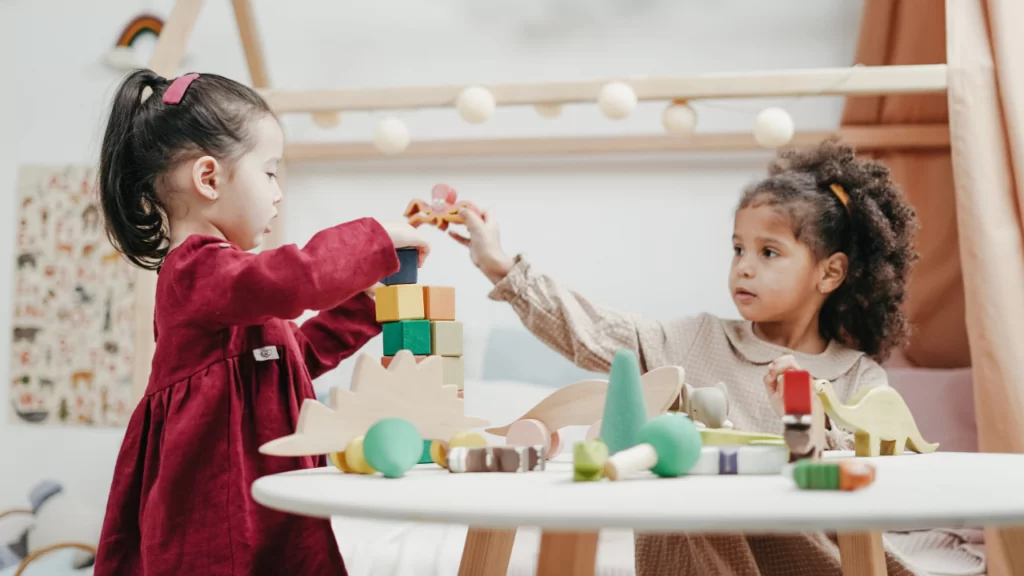
Have you ever peeked into a speech therapy session and wondered why the therapist seemed to be playing with the child so much? The secret of play is that not only is it fun, but it’s also a powerful educational tool for children. Through play, children practice new words, strengthen social skills, and build confidence—all without even realizing they’re learning.
In this blog post, we’ll explore why play is such a vital part of speech therapy, how it promotes progress, and how you can incorporate play at home to support your child’s communication journey.
Why Play Is so Effective in Speech Therapy
For young children, play is how they learn more about the world. In speech therapy, we tap into that natural ability by combining therapy with engaging, hands-on activities. Here’s why play is so effective in speech therapy:
- It Keeps Kids Engaged: Play keeps therapy fun and engaging, which means children are more likely to stay focused and motivated during sessions.
- It Encourages Communication: Through play, kids have the chance to practice speaking, using gestures, and interacting with others.
- It Supports Social Skills: Many games involve turn-taking, sharing, and cooperation, skills that help children navigate social interactions.
- It Builds Confidence: As children play, they take small steps toward using their words and interacting with others. Each success, no matter how small, boosts their confidence and motivates them to continue learning.
Speech and Language Skills We Work on During Play-Based Sessions
Through structured play, our speech therapists guide children toward specific communication goals. Some of the things we work on during these playful sessions include:
- Building vocabulary
- Creating proper sentences
- Practicing speech sounds
- Learning key social skills
- Improving self-expression
- Listening and understanding others
- Recognizing body language and emotions
How You Can Use Play at Home to Encourage Speech Development
As a parent, you can incorporate play into your child’s everyday routine to support their speech therapy progress. Here are four simple, fun activities you can try at home:
- Building Blocks: Play with building blocks or stacking toys and use descriptive language. Talk about colors, shapes, and sizes. Encourage your child to describe what they’re doing (“I’m building a tall tower!”).
- Sing Songs Together: Singing songs with actions (like “The Wheels on the Bus”) can help with memory, vocabulary, and following directions. You can also make up your own songs about daily activities.
- Play Pretend: Create stories using dolls or action figures and encourage your child to talk about what the characters are doing or feeling.
- Interactive Play: Set aside time each day for interactive play. When you engage with your child by playing catch, cooking with toy food, or building a fort, you encourage them to keep practicing their communication skills in a way that’s fun for you both.
Reach Out to Rebound for Expert Support
Play is an essential tool for your child’s early learning. If you’re interested in learning more about how play-based speech therapy can help your child, give us a call at (785) 367-3079 today. Our experienced therapists will be happy to answer your questions and schedule a consultation for your child.