
Every physical therapy patient receives a home exercise program Feeling a little stiff after a long day? It might not be your posture, the way you slept, or the amount of activity you did—dehydration could be to blame. Many people overlook how essential proper hydration is to musculoskeletal health. Without enough water, muscles, joints, and bones can’t function optimally, which can lead to discomfort or even injury.
In today’s article, we want to talk about the importance of hydration and give you some tips that can help you feel better. Understanding the connection between hydration and your body’s overall health is key to maintaining an active and pain-free lifestyle.
Why Is Hydration Vital for Musculoskeletal Health?
Water is absolutely vital for maintaining the health of your musculoskeletal system. This is because water makes up about 60% of the average human body. It’s a part of every cell in your body, and it’s especially important for your brain, heart, muscles, and bones.
For example, the discs between the vertebrae in your spine are largely made up of water. These discs act as cushions to absorb shock and allow flexibility as you walk, run, bend over, and go about your day. When you’re dehydrated, these discs lose water, which makes them less effective at their job. This can lead to back pain, stiffness, or even injury.
What Are the Symptoms of Dehydration?
Dehydration can affect you in various ways. Some common symptoms of dehydration include:
- Muscle cramps and spasms
- Joint pain or stiffness
- Increased muscle fatigue
- Reduced flexibility
- Headaches or migraines
- Dizziness or lightheadedness
- Low blood pressure
- Dry skin and eyes
- Dark urine or infrequent urination
- Swollen feet
- Chills
- Confusion
If you’re experiencing any of these symptoms regularly, it’s beyond time to assess your water intake!
How Much Water Does the Average Adult Need Each Day?
The general recommendation for adults is to drink about 8-10 cups (64-80 ounces) of water daily. However, individual needs can vary depending on your age, gender, and activity level. If you’re physically active, you’ll need more to replenish what’s lost through sweat.
Factors like climate, overall health, and exercise intensity can also increase your water needs. It’s important to listen to your body and drink water consistently throughout the day. Don’t wait until you feel thirsty to reach for your water bottle, because thirst is often a late indicator of dehydration. This means you’ve been dehydrated for a while before you even start to feel thirsty!
Tips for Drinking More Water Each Day
Staying hydrated doesn’t have to be a chore. Here are some practical tips to help you drink more water:
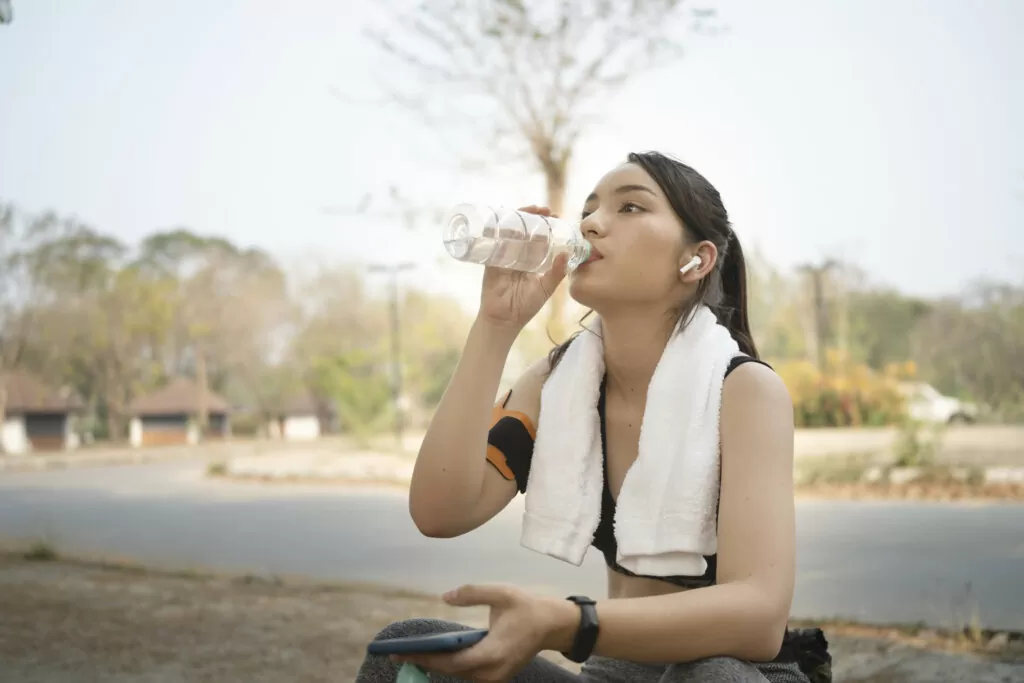
- Carry a reusable water bottle – Having water on hand makes it easier to take sips throughout the day.
- Set reminders – Use your phone or a hydration app to remind you to drink water regularly.
- Flavor your water – Add a slice of lemon, cucumber, or a few berries to your water bottle to make your water tastier.
- Eat water-rich foods – Include fruits and vegetables like watermelon, cucumber, and oranges in your diet.
- Track your intake – Use a journal or an app to monitor how much water you’re drinking each day.
Call Rebound Physical Therapy Today
Hydration is a simple yet powerful way to support your musculoskeletal health. If you’re dealing with pain or limited mobility, it might be time to consider whether dehydration is playing a role.
For personalized care and expert advice, contact Rebound Physical Therapy at (785) 271-5533 to schedule an appointment today. We’re here to help you get back in action, pain-free and fully hydrated!