



How To Relieve Dizziness and Vertigo

Lisa (not her real name) was tired of dealing with dizziness. Specifically, she was tired of dealing with vertigo, a spinning sensation that would suddenly hit her at seemingly random times throughout the day. The attacks made her wary of driving, and she worried she might fall and injure herself at home. But then Lisa learned something interesting: physical therapy can help with vertigo and dizziness. She had some experience with PT, having gone through rehabilitation after a shoulder injury, but it never occurred to her that PT might be the solution to her issues with vertigo.
Eager for relief, Lisa made an appointment at Rebound Physical Therapy. We conducted a comprehensive assessment and found that she had BPPV (benign paroxysmal positional vertigo). It develops due to the buildup of tiny crystals in the inner ear, which interfere with the body’s vestibular system. We helped Lisa understand that her vertigo attacks weren’t as random as she thought. Instead, they occurred due to specific head movements that jostled the crystals. We helped identify those movements and performed some hands-on maneuvers that dislodged the crystals so they could no longer cause symptoms.
Because vertigo (and sometimes even dizziness) has a vaguely hallucinatory quality, people are often surprised to discover that its origins are typically physical. Fortunately, because they’re physical, PT is an excellent choice for finding relief. To learn more, call to schedule an appointment.
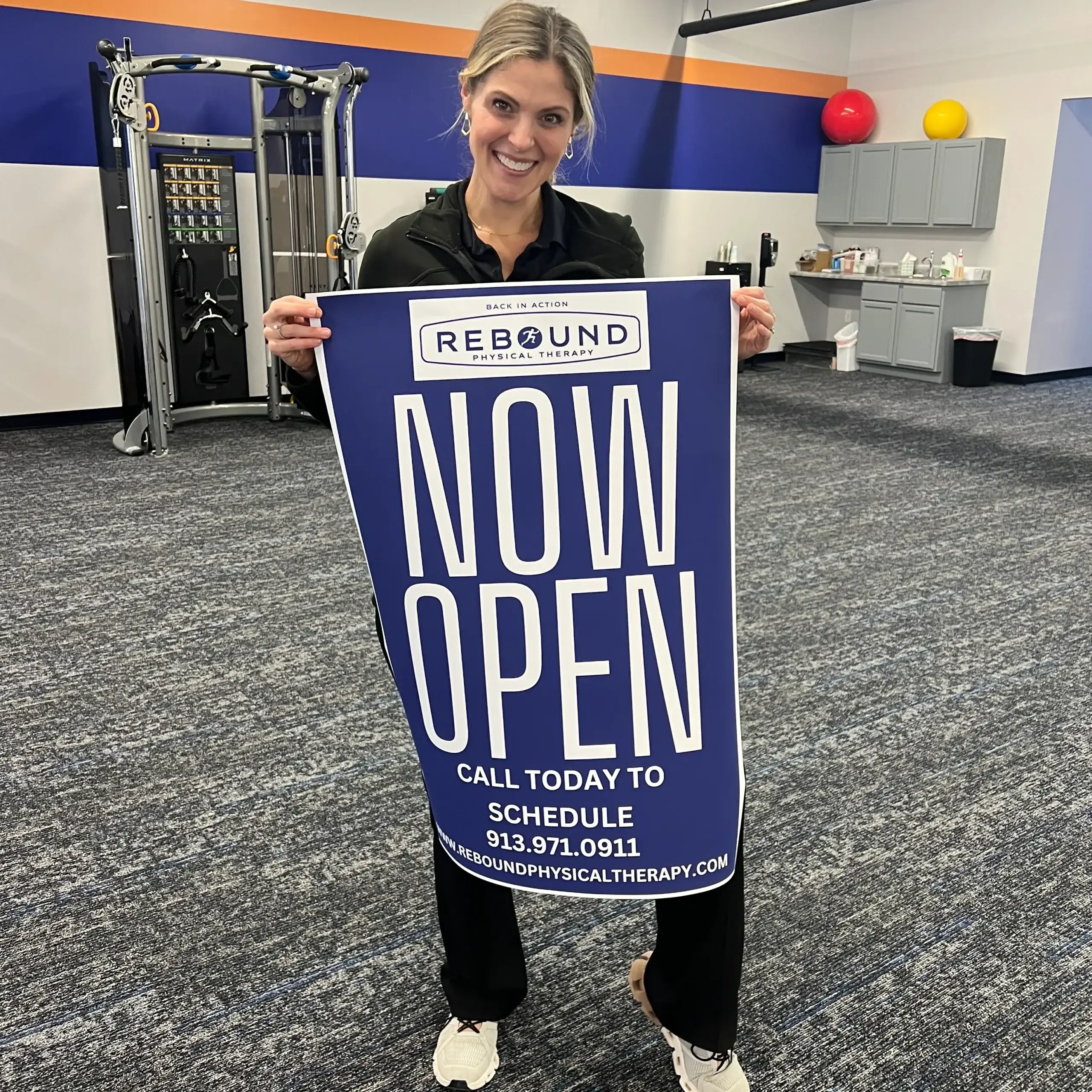
Our new Olathe Clinic is NOW OPEN!
Come see us at our brand new location!

Why Do We Feel Dizziness and Vertigo, Anyway?
First, it’s important to understand that dizziness and vertigo are technically two different things.
Dizziness is an umbrella term that can refer to any feelings of lightheadedness or wooziness. Most of us have experienced dizziness: maybe you stood up too quickly or felt a headrush when you got off a roller coaster. It can have other causes, too, such as medication side effects or low blood sugar.
Vertigo is a type of dizziness. It refers to a particular sensation: that you or the room is spinning around even when you’re standing still. It typically stems from issues with your vestibular system, which controls your body’s sense of balance.
The vestibular system is primarily located in your inner ear, although parts are also in your cerebellum. Most people who experience vertigo have inner ear issues, whether BPPV (the most common cause of vertigo) or another underlying condition, such as Meniere’s disease.
In some cases, vertigo might stem from issues in your cerebellum, although those are rare.
The Key Factor: A Personalized Approach
Physical therapy offers different options to help people manage their dizziness and vertigo. We always begin treatment with a comprehensive assessment to help us understand the root cause of your symptoms.
As with Lisa, we’ll also try pinpointing any triggers for dizziness or vertigo. By identifying these triggers, you can work to avoid them. For example, we can show you how to modify activities to reduce the likelihood of vertigo attacks. We’ll also perform specific movements and positions to restore inner ear function, just as we did with Lisa.
Another way we help people with dizziness and vertigo is through dedicated balance training. Vertigo can be unnerving, but it’s not usually dangerous in and of itself. Instead, the danger comes from an increased fall risk. Balance training helps improve your overall balance and stability through progressive balance challenges and strengthening exercises, especially in the core.
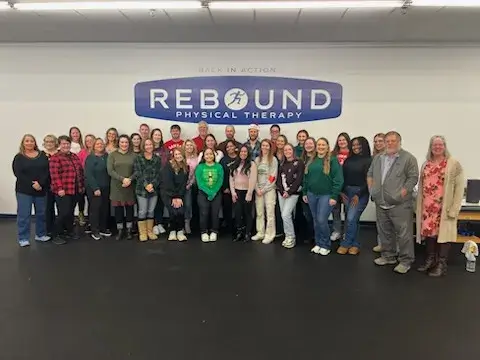
Join Our Team
Founded in 1994 by Paul Silovsky, PT, Rebound is the leading PT clinic in the greater Topeka area with nearly 50 staff and thousands of happier, healthier patients. At Rebound, we don’t see people as “broken” with some unchangeable condition they have to cope with. We take a rebellious approach—we find out what’s stopping patients from doing what they want and figure out how to return them to the lifestyles they love. Here’s what matters to us:
- Doing what’s best for patients
- Maintaining work-life balance
- Clinical Autonomy
- Mentoring, training and paid CE
A Specialized Approach: Vestibular Rehabilitation
If your vertigo stems from an impairment in your vestibular system, we may suggest you begin a vestibular rehabilitation program. Vestibular rehab is a specialized type of physical therapy that focuses specifically on inner ear dysfunction. While your exact program will be personalized, it generally includes the following:
- Relaxation techniques to help you navigate a vertigo attack
- Habituation exercises that help you become accustomed to the vertigo sensations so that they lessen over time
- Vision exercises to improve your gaze stability, which often plays a role in vertigo symptoms.
We’ll combine these specialized techniques with balance and conditioning exercises to ensure well-rounded treatment!
Can The World Stop Spinning?
Literally, no–but when you successfully manage dizziness and vertigo, it can certainly feel like it! Call us today to find out if you might benefit from physical therapy.
Our Patients Get Results!
“My walking is better and no longer feeling like I am wobbling. My balance has improved a lot. It is easier to get through my day, doing my work at home and I feel stronger as a whole. I feel more confident and at ease when driving and I don’t feel like my dog will knock me down because my balance is better. Thank you all for your help! Brooke is super great! Thank you Dr. B for sending me here!” – Isabel

Relaxation Tips for Managing Vertigo
Physical therapy with Rebound Physical Therapy can give you the tools to manage your vertigo at home. If you have BPPV, we’ll show you how to properly perform different maneuvers that can dislodge the crystals causing your symptoms. You can generally perform these maneuvers on your own once they’ve been taught to you, so schedule an appointment to get started! However, we also wanted to share some simple relaxation techniques that can help keep you calm during a vertigo attack–helping to see you through to the other side.
Three Things to Do When You Suffer a Vertigo Attack
- Lie down and close your eyes. If possible, lie down in a dark room and close your eyes. This can help lessen vertigo’s spinning sensation.
- Try diaphragmatic breathing. Diaphragmatic breathing is a technique that can help calm down your body’s stress response.
- Sit or lie down in a comfortable position.
- Place one hand on your chest and the other on your belly.
- Take a slow, deep breath so you can feel your belly moving beneath your hand.
- Slowly exhale the breath through your mouth.
- Repeat as needed.
- Perform some stabilization techniques. When you experience sudden spinning or dizziness due to vertigo, try not to panic. Typically, the spinning lasts only a few seconds. Keep your head steady and focus your eyes on something stationary.
Want more information about managing vertigo? Call us to schedule an appointment today!
FREE WORKSHOP
Feeling Dizzy?
Led by Burt DeWeese, PT on Wednesday, January 29th, 2025 @ 6:30 p.m.