


Staying Active Is the Key to Finding Mental and Physical Balance

Maintaining a balance between our mental and physical health has become increasingly challenging in today’s fast-paced world. The sedentary lifestyle that dominates much of modern society contributes to a host of physical ailments, ranging from back and neck pain to chronic conditions that affect our health and mental well-being. The relationship between the mind and body underscores the importance of staying active as an effective strategy for finding mental and physical balance. Physical therapy, often associated solely with injury recovery, plays a crucial role in helping people get and stay active.
The Link Between Physical Activity and Mental Health
Regular physical activity can have a profound impact on mental health. Exercise releases endorphins, known as the body’s natural mood elevators, which can help symptoms of depression and anxiety. Moreover, the discipline and routine associated with regular exercise can provide a sense of purpose and achievement, further enhancing mental well-being. However, initiating and sustaining an active lifestyle can feel overwhelming, especially for those dealing with chronic pain or mobility issues. This is where physical therapy comes into play, bridging the gap between the desire for activity and the capability to pursue it.


Physical Therapy: More Than Just Rehabilitation
While physical therapy is traditionally viewed through the lens of rehabilitation, its scope extends far beyond recovery from injury. Our Rebound Physical Therapy physical therapists are experts in movement and will design personalized exercise programs that cater to your unique needs and limitations. Our programs not only aim to improve physical health but also serve as a boost for mental health benefits.
Personalized Exercise Programs
A key component of physical therapy is the development of personalized exercise programs. These are tailored to the individual’s specific conditions and goals, whether improving mobility, reducing pain, or enhancing overall physical function and mental well-being.
Pain Management
Chronic pain is a common issue that significantly impacts an individual’s mental health, leading to feelings of frustration, depression, and anxiety. Physical therapy offers various techniques for pain management, such as manual therapy, therapeutic exercises, and education on body mechanics. By addressing the root cause of pain, physical therapy not only improves physical function but also contributes to mental relief and a more positive outlook on life.
Stress Relief and Relaxation
Physical therapy sessions often incorporate stress relief and relaxation elements, such as deep breathing exercises and targeted stretching. These techniques help the recovery process and have a calming effect on the mind, reducing stress and promoting mental clarity.
Boosting Self-Efficacy and Autonomy
One of the most significant mental benefits of physical therapy at Rebound Physical Therapy is the focus on teaching our patients self-care. Learning how to manage one’s health effectively can empower you and give you control over your physical and mental well-being. This approach is crucial for your mental health, as it fosters resilience, self-reliance, and a proactive approach to tackling life’s challenges.
A Holistic Approach to Well-being
Our physical therapists believe in a holistic approach to health, recognizing the intricate connection between the physical and mental aspects of well-being. By promoting physical activity and addressing individual health challenges, our approach can significantly improve mental health, contributing to a more balanced and fulfilling life.

Join Our Team
Founded in 1994 by Paul Silovsky, PT, Rebound is the leading PT clinic in the greater Topeka area with nearly 50 staff and thousands of happier, healthier patients. At Rebound, we don’t see people as “broken” with some unchangeable condition they have to cope with. We take a rebellious approach—we find out what’s stopping patients from doing what they want and figure out how to return them to the lifestyles they love. Here’s what matters to us:
- Doing what’s best for patients
- Maintaining work-life balance
- Clinical Autonomy
- Mentoring, training and paid CE
The Path Forward at Rebound Physical Therapy
Starting your journey toward mental and physical balance through physical therapy begins with recognizing the value of staying active. For those struggling with physical limitations, chronic pain, or simply the inertia of a sedentary lifestyle, physical therapy offers a guided, supportive path to reclaiming an active and balanced life. The benefits extend beyond physical health, touching every aspect of well-being and paving the way for a happier, more balanced existence. Staying active, with the support of physical therapy, offers a powerful means to achieving harmony between the mind and body. It’s a journey worth taking, one step at a time. Call today to schedule a consultation and get started on your road to mental and physical balance!

Happy Holidays!
As the holiday season approaches, we want to take a moment to express our heartfelt gratitude to you for being a part of our community. Your trust and commitment inspire us every day. We wish you and your loved ones joy, peace, and plenty of special moments this holiday season. May the New Year bring you health, happiness, and continued success on your wellness journey. Thank you for allowing us to be a part of your care. We look forward to seeing you in the coming year!
Warm wishes,
The Rebound Team
The Healing Power of Sleep
Sleep is vital for our well-being. It’s not just a nightly routine but a key to feeling our best. Sleep does more than just refresh us; it helps prevent injuries, speeds up healing after injuries, and keeps our mental health in check. At Rebound Physical Therapy, we recommend the following strategies to enhance your sleep:
- Sleep Schedule: Research studies emphasize the importance of consistently going to bed and waking up at the same time daily. Also, get exposure to natural light first thing in the morning to help regulate your circadian rhythm.
- Bedtime Routine: Engage in calming activities before bedtime, such as reading or practicing relaxation techniques like deep breathing.
- Optimal Sleep Environment: Keep your bedroom cool (around 65-68°F), dark, and quiet. Invest in comfortable bedding and a supportive mattress.
- Limit Screen Time: Avoid electronic devices like smartphones and computers at least an hour before bedtime to minimize exposure to disruptive blue light.
- Limit Food and Fluid Before Bed: Reducing fluid intake and avoiding late meals in the evening can help prevent disrupting your sleep.
- Avoid Alcohol and Drugs Before Bed: Drinking alcohol or consuming caffeine and nicotine close to bedtime can disrupt quality sleep.
- Physical Activity: Regular exercise, particularly earlier in the day, can improve sleep quality.
- Manage Stress: Chronic stress can negatively affect sleep quality. Stress management techniques, such as progressive muscle relaxation and mindfulness meditation, help improve sleep quality and reduce insomnia symptoms.
Prioritizing Quality Sleep for a Healthier and Happier Life
Incorporating these strategies into your nightly routine can help you wake up feeling refreshed and ready to tackle the day ahead. Remember, getting a good night’s sleep is one of the best things we can do for ourselves!
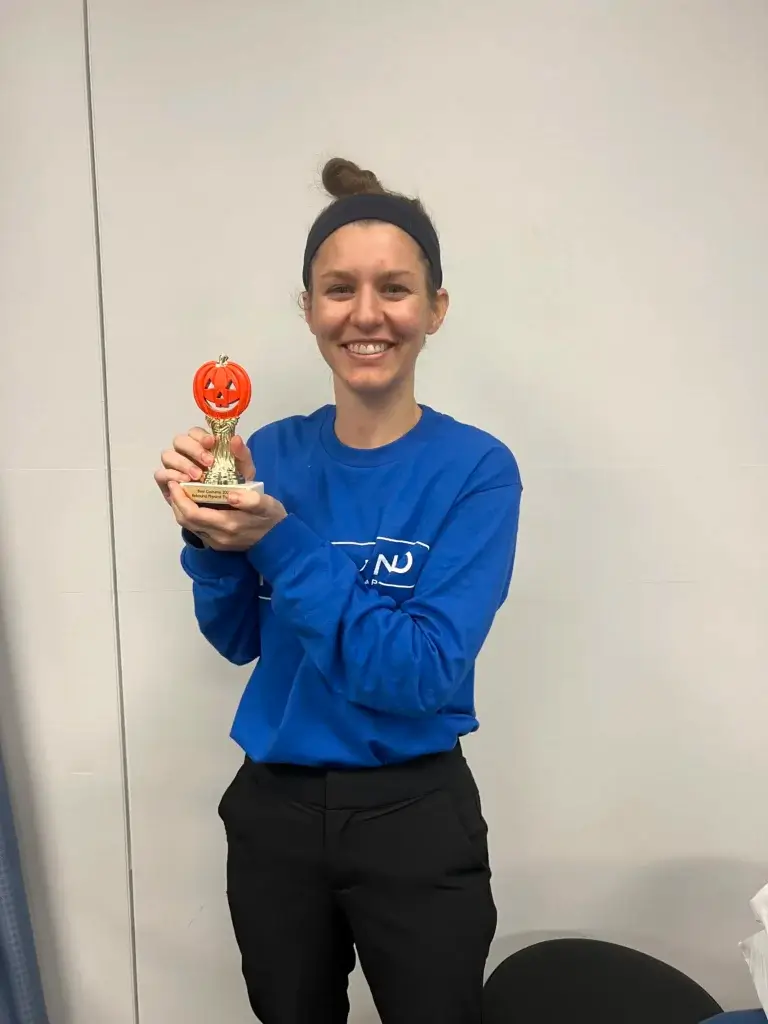
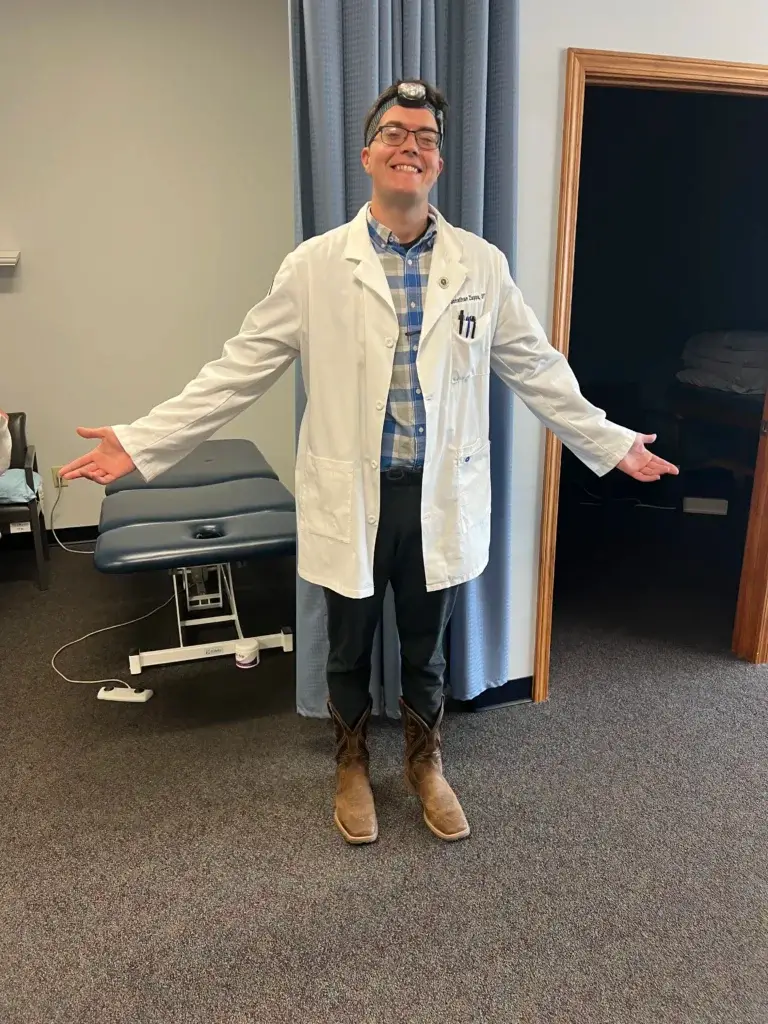
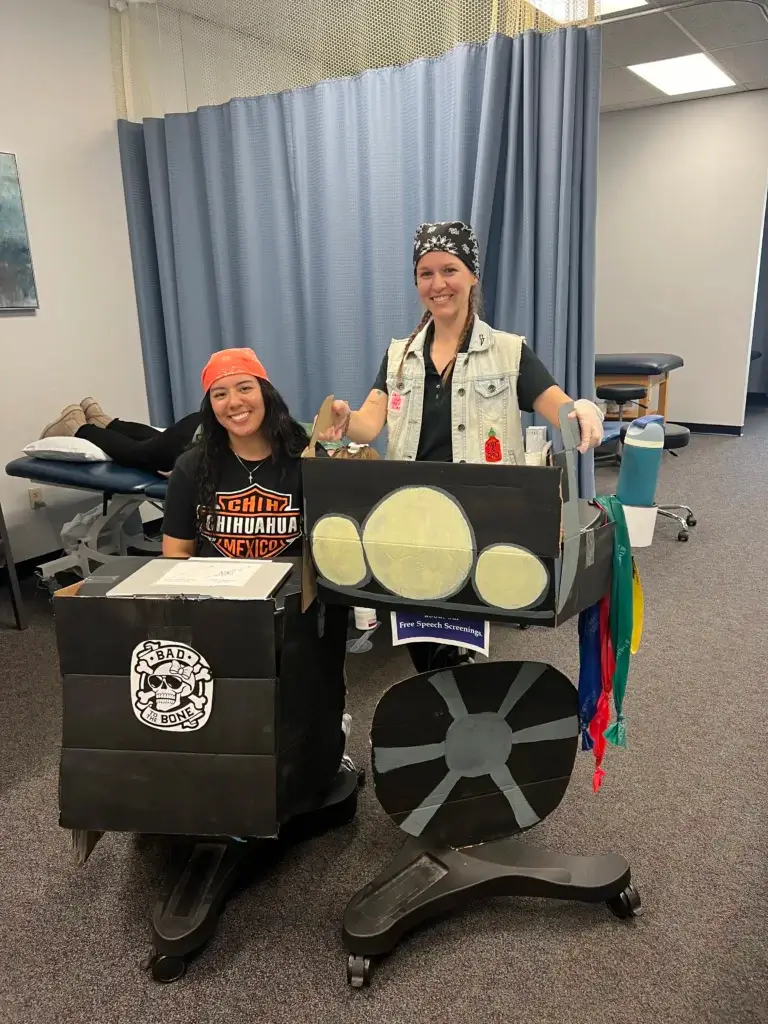
Halloween Fun With The Rebound Physical Therapy Team!