

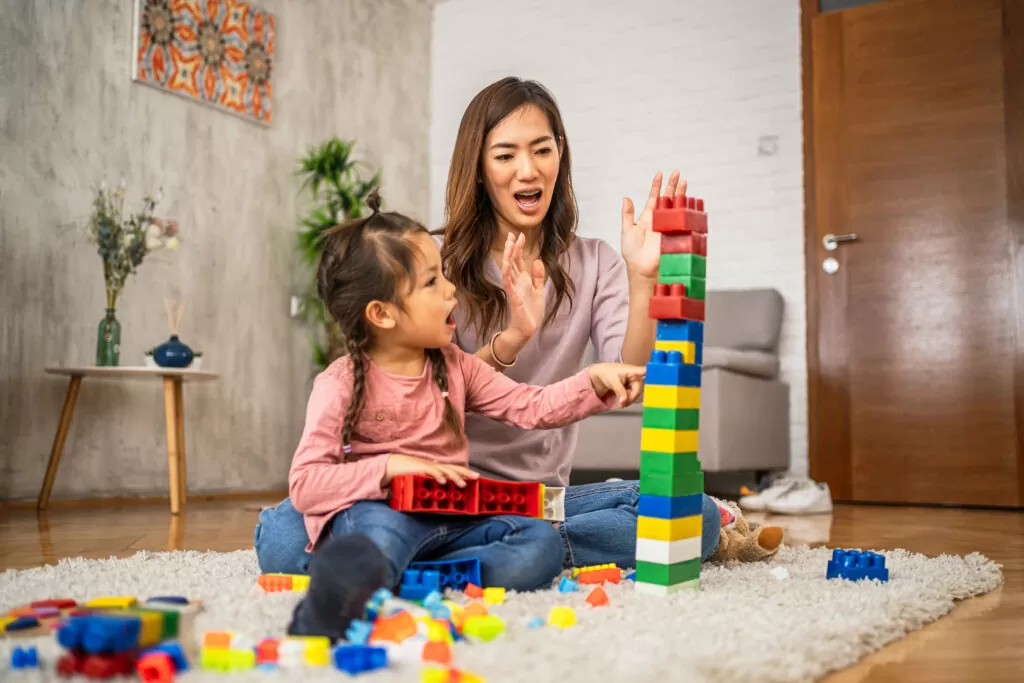
For children, play isn’t just fun — it’s how they learn. From stacking blocks to pretending to be superheroes, play gives kids endless opportunities to explore, experiment, and connect with others. What many parents don’t realize is that play also plays a key role in speech and language development.
When play is combined with speech therapy, children are able to practice communication in a way that feels natural, engaging, and enjoyable.
Why Play Matters in Children’s Communication
Play creates a safe space where children can try new things, make mistakes, and learn without pressure. Through play, kids can:
- Practice taking turns and listening to others
- Expand their vocabulary by naming objects and actions
- Learn to follow directions during games or pretend play
- Strengthen social skills by asking questions or sharing ideas
- Use imagination and storytelling to build longer sentences
These playful moments aren’t just fun — they’re the foundation for strong communication. When children feel relaxed, they are more willing to experiment with words and sounds, which is a crucial step toward clearer, more confident speech.
How Speech Therapy Uses Play
Speech-language pathologists (SLPs) intentionally use games, toys, and role-play to target specific speech and language goals. Depending on your child’s needs, therapy may include:
- Building vocabulary through themed play (animals, food, transportation)
- Practicing sounds while playing board games or card games
- Storytelling activities with dolls, puppets, or picture books
- Playing pretend (like “restaurant” or “doctor”) to encourage conversation
- Playing movement-based games that pair actions with words for memory support
Play also gives therapists the chance to observe how children communicate with others in real time. For example, a simple game of building towers can reveal how a child makes requests, shares ideas, or responds when the tower falls down. These small moments provide valuable insights that shape personalized therapy goals.
By embedding practice into fun activities, children stay motivated and engaged — which often leads to faster progress.
Bringing Play Into Everyday Life to Support Speech Growth
Parents can also use playtime at home to support speech growth. Simple activities like building with blocks, playing “I Spy,” or making up stories together during pretend play can encourage communication. Even everyday routines, like cooking dinner or grocery shopping, can turn into playful opportunities to practice language.
Try these easy ideas at home:
- Sing simple songs together to practice rhythm and new words
- Play matching or memory games to strengthen listening skills
- Use favorite toys to act out stories and encourage sentence-building
- Turn car rides into a game by spotting and naming things you see outside
When parents join in, kids not only strengthen their speech but also create positive, confidence-boosting memories around communication.
Partner with Rebound for Playful Growth
At Rebound Physical Therapy, our caring team of speech-language pathologists uses play-based therapy to help children in Topeka and Olathe strengthen their communication skills. Together, we’ll give your child the tools to grow, thrive, and have fun while learning.
📞 Call (785) 271-5533 today to schedule a free speech screening, or reach out via our website.